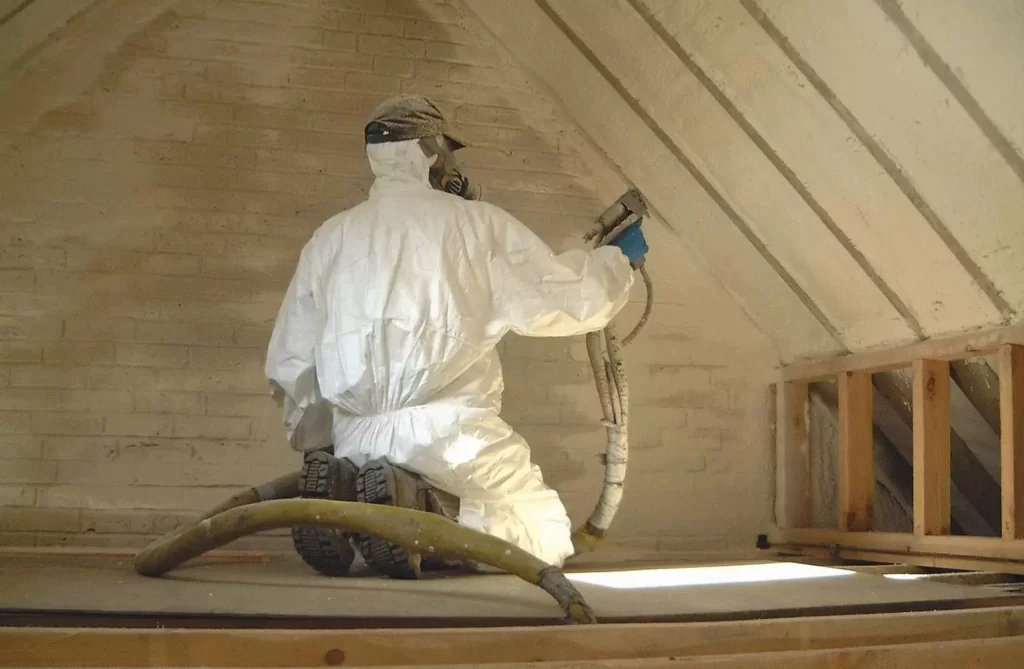
If your attic has an older layer of insulation, adding more may be possible without removing it. A top-up can improve thermal performance when the existing material is dry, clean and in reasonable condition. Before choosing a target depth, inspect the attic and address air leakage, moisture and ventilation issues. Adding insulation over a problem can hide it and make future repairs harder.
Inspect before topping up
Look for roof leaks, damp or compressed insulation, mould, animal contamination, damaged wiring and signs of ice damming. If the old material is wet, contaminated or conceals a pest issue, removal and cleanup may be needed. Keep clear access to junction boxes, fans and equipment that require service. Older homes may contain materials that should be identified before disturbing them.
Seal important air leaks first
Warm, moist indoor air can escape through ceiling penetrations, plumbing openings, wiring holes and attic hatches. Air sealing these gaps before a top-up helps limit heat loss and reduces the chance of moisture moving into the attic. Use materials suited to the location and maintain required clearances around chimneys, flues, recessed fixtures and other heat sources. Do not bury equipment or block access needed for inspection.
Protect the roof ventilation path
At the eaves, baffles or another approved detail may be needed to keep insulation from blocking soffit ventilation. Maintain the ventilation arrangement shown for the roof and avoid covering vents. Bathrooms and kitchen exhausts should discharge outdoors through suitable ducts, not into the attic. If the roof has a cathedral or compact assembly, get advice specific to that design before adding material.
Cellulose or fiberglass?
Both blown cellulose and fiberglass can be used in attic top-ups when installed as part of a compatible assembly. The choice depends on the existing insulation, access, desired thermal resistance, product specifications and installer’s equipment. Follow the product’s coverage chart: bag count and settled depth depend on the product and area, so a generic inches-to-R-value estimate can be misleading.
Plan the work
- Measure the attic area and record the condition and depth of existing insulation.
- Identify leaks, wiring, venting, fans and access points before blowing material.
- Air seal penetrations and install baffles where the roof design requires them.
- Use the selected product’s coverage chart to calculate the installed quantity.
- Check coverage for even depth and keep ventilation paths and service areas clear.
A good top-up starts with a sound attic, not just a target depth. Division 7 Contracting provides attic insulation and top-up services across British Columbia. Contact Division 7 to arrange an assessment of your attic and discuss insulation options.
Leave a Reply