Division 7 Contracting Blog
Expert insights on insulation, spray foam, fireproofing and concrete lifting across British Columbia. Updated regularly with practical field guidance.
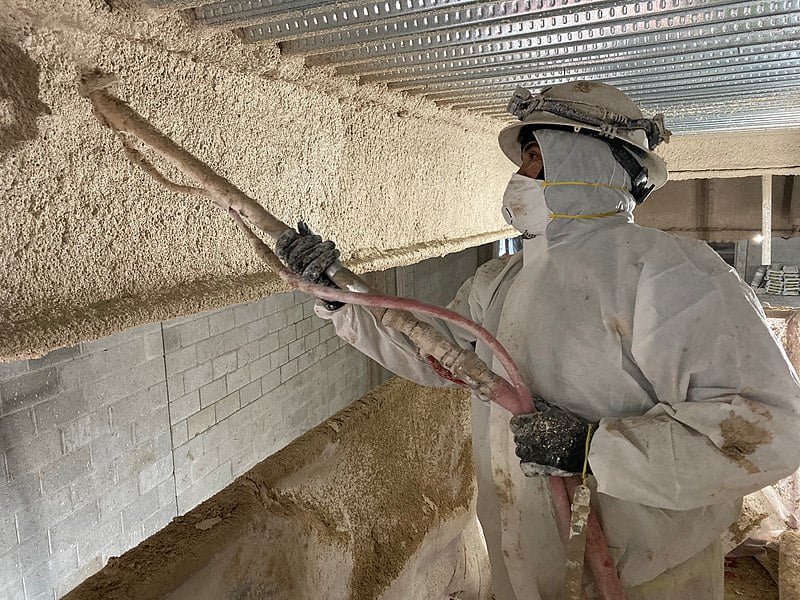
Fireproofing Inspection Checklist: Thickness, Coverage, and Records
A practical field checklist for coordinating and inspecting spray-applied fire-resistive material on structural steel.
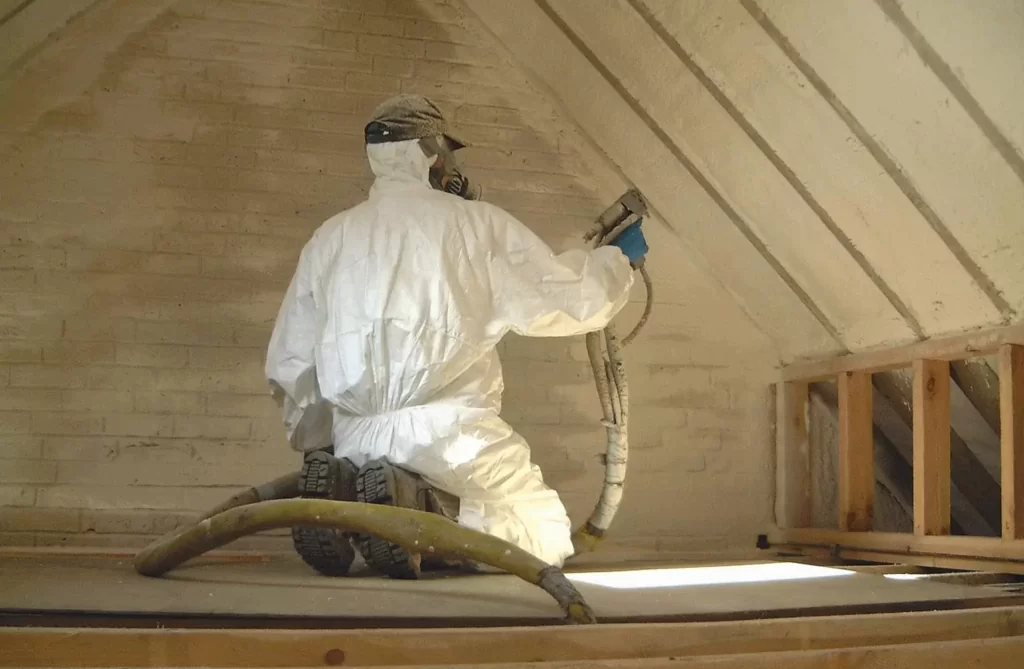
Basement Rim Joist Insulation in BC: Air Sealing, Moisture, and Fire Safety
Learn how to air seal basement rim joists in BC homes, what moisture and framing conditions to check first, and how to plan foam insulation safely around wiring and services.
Blown-In Attic Insulation: Cellulose vs Fiberglass for BC Homes
Comparing blown-in cellulose and fiberglass for attic insulation in British Columbia? Learn how the materials differ and what matters when planning an attic top-up.
Commercial Fireproofing in BC: What General Contractors Should Coordinate Before Spraying Starts
A practical pre-installation checklist for general contractors coordinating spray-applied fireproofing on commercial and industrial projects in British Columbia, from substrate readiness and access to heating, sequencing and protection.
Spray Foam at Box Joists and Rim Joists: Why Air Sealing Matters in BC Homes
Box joists and rim joists can be major air-leakage points in BC homes. Learn how properly installed spray foam can improve air sealing, comfort, and thermal performance.
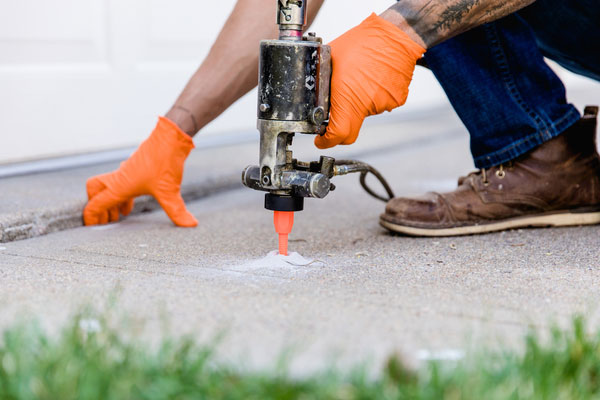
Concrete Lifting vs Replacement: When Slab Jacking Makes Sense in BC
Sunken concrete does not always need to be torn out and replaced. Learn when concrete lifting or slab jacking can restore driveways, sidewalks and other slabs, and when replacement is the better choice.
Cementitious vs Intumescent Fireproofing: Which System Fits Your Project?
A practical guide to choosing between cementitious and intumescent fireproofing for structural steel, commercial buildings, parkades, and industrial projects in British Columbia.
Why Air Sealing Matters Before Adding Attic Insulation in BC Homes
Adding more attic insulation can improve comfort and energy performance, but sealing air leaks first helps the insulation work as intended and can reduce drafts, heat loss, and moisture problems.